Port-Louis is the capital city of Mauritius, on the island’s north-west coast. The harbour is its starting point. Look from the water towards the mountains and the relationship between the working port and the streets behind it begins to make sense.
The familiar date of 1735 marks the city’s development under the French governor Mahé de La Bourdonnais. It is not the beginning of all activity in the bay. The harbour had been used before the French made it an administrative, naval and shipbuilding centre.
Named in honour of Louis XV, Port-Louis served ships travelling between Europe and Asia around the Cape of Good Hope. A place to provision and repair vessels became a place from which an island was governed. Trade, administration and migration drew their lines across the city.
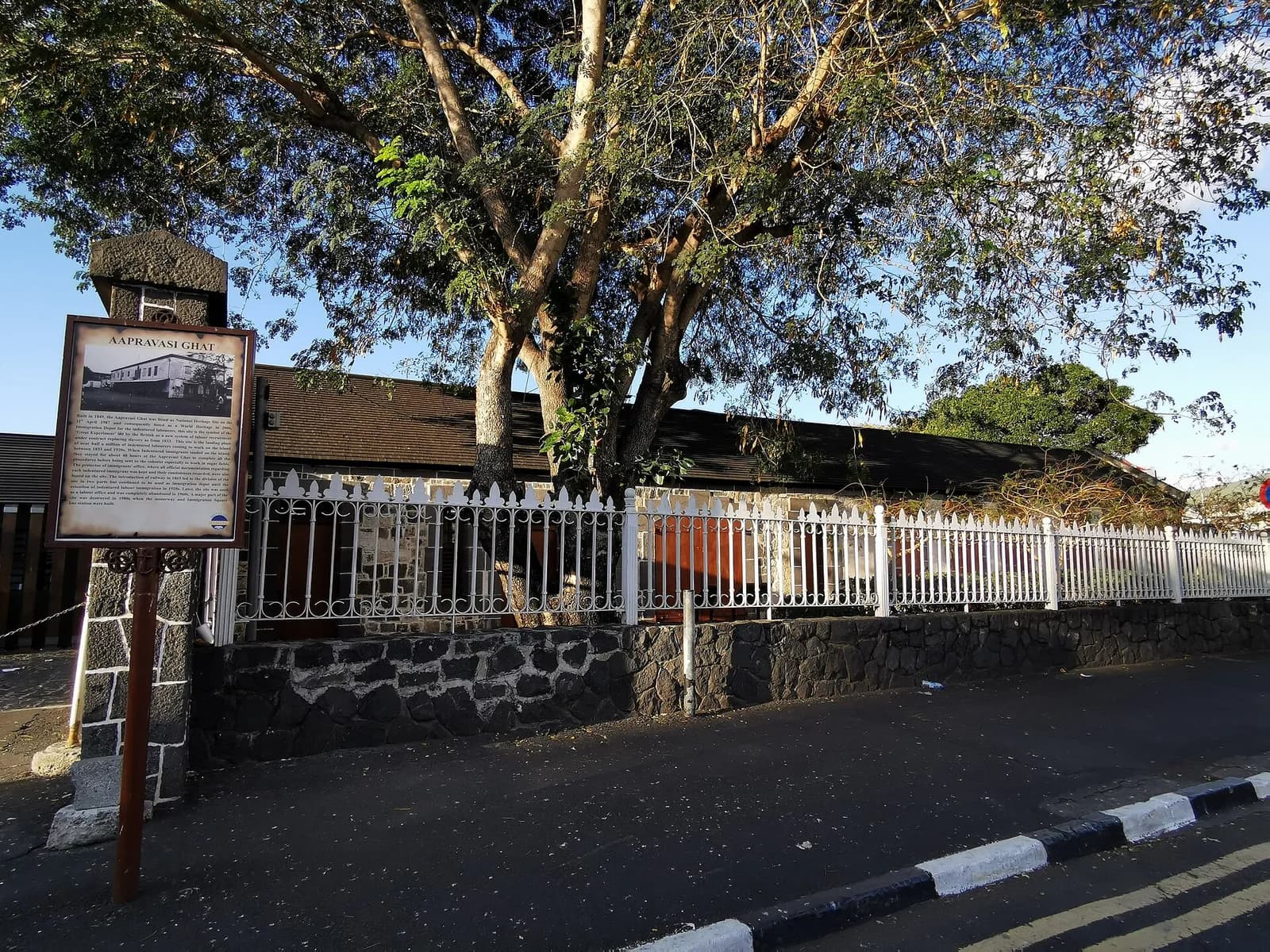
Mauritius becomes the British government’s testing ground for large-scale indentured labour. The surviving Aapravasi Ghat depot is built later, in 1849.
A city’s history cannot be told only through its governors and buildings. Slavery and indenture are distinct histories. Both must be given space when we speak about how Mauritius was made.
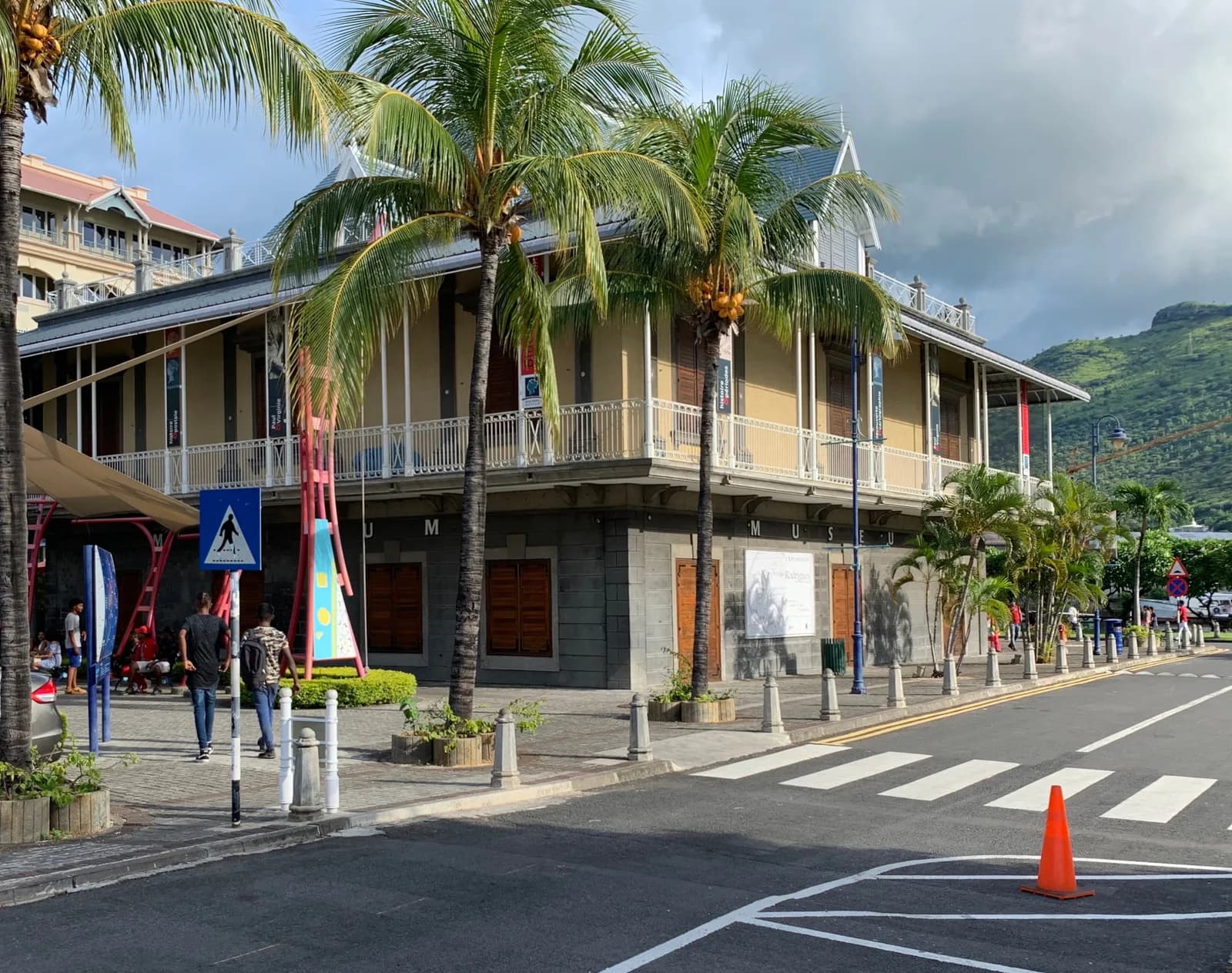
The Intercontinental Slavery Museum
The museum occupies the former military hospital at Quay Street. Its setting is part of the history it asks visitors to confront. The building now gives space to memory, research and the consequences of enslavement.
Make time for this history in its own right. A harbour is also a place of forced journeys, separation and lives that cannot be reduced to the prosperity of a trading port.
In 1834, Mauritius became the site of a British experiment in indentured labour. The depot whose remains survive here was built in 1849. UNESCO connects the site with almost half a million indentured labourers arriving from India between 1834 and 1920.
Its inscription as World Heritage in 2006 recognises a history far greater than the surviving buildings. Read the interpretation before continuing your walk. The scale of the site and the scale of its story are very different things.
The city carries its history in places of worship, shopfronts, courtyards and the way people eat. Some stories are carefully preserved. Others continue in everyday use.
Photo · Golden Tiffin
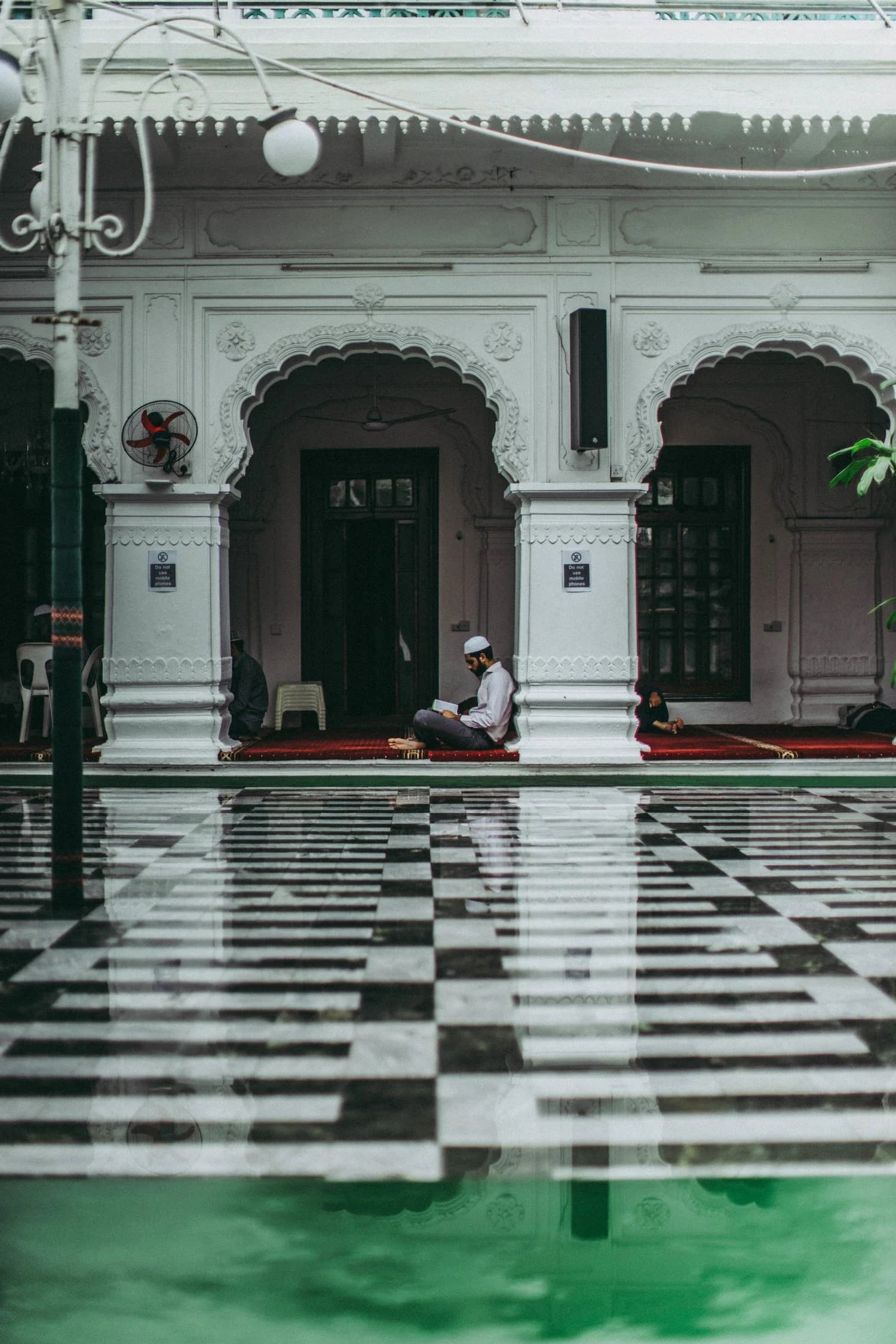
A place for faith.
Jummah Masjid belongs to the city’s religious life as well as its architectural landscape. A visitor sees a building; the community knows a place of prayer. Respect the current visiting arrangements and let worship set the rhythm.
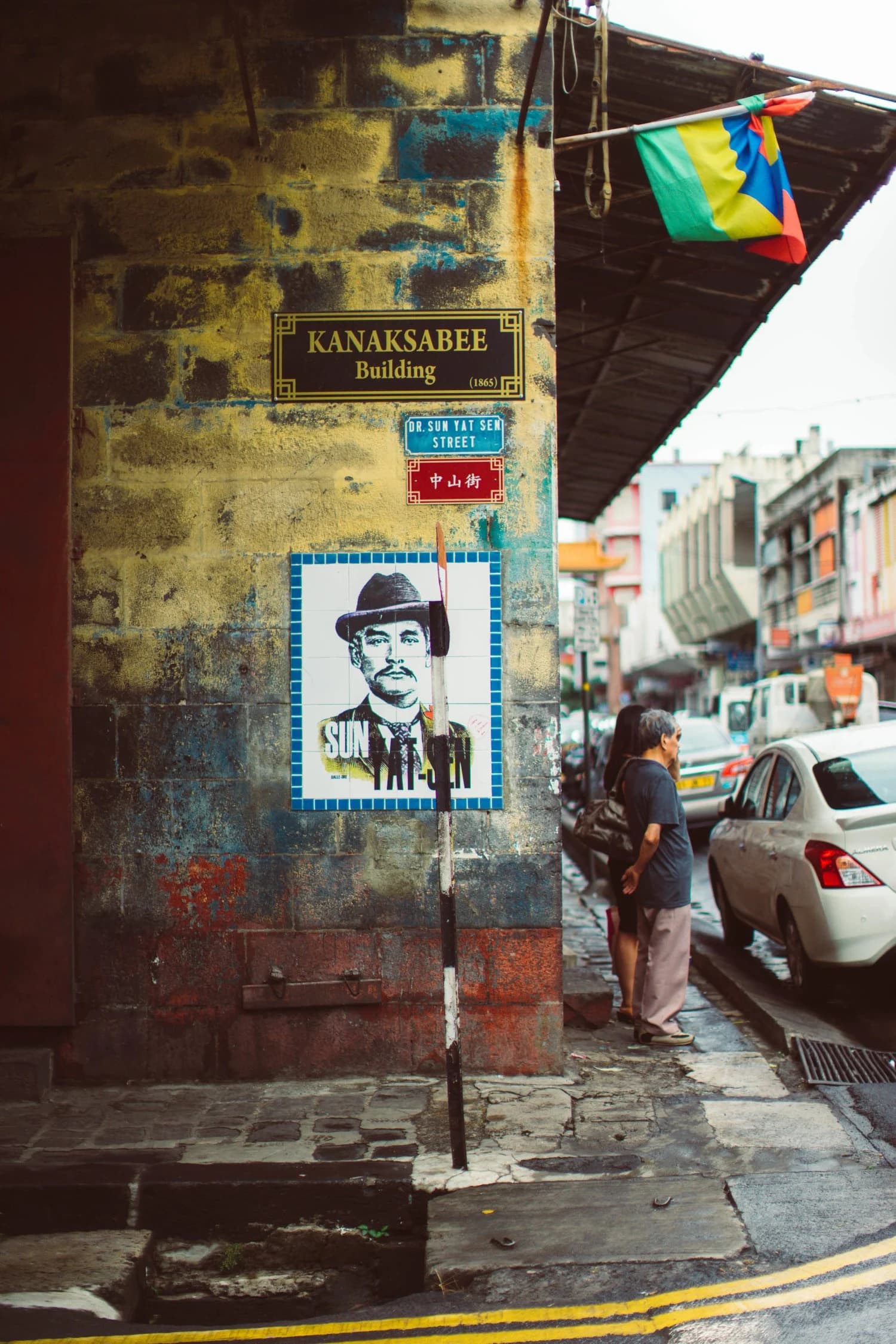
Around Royal Street, Chinatown offers another way into the city. Shop signs, food and family businesses carry the presence of the Sino-Mauritian community. Take time to look beyond a single mural or tasting stop. A neighbourhood is more than its most photographed corner.
These photographs by Golden Tiffin / Thahmina Haseen accompany a 2017 article. They are archival views of the city.
1968
An island’s capital.
A country’s own story.
Independence on 12 March 1968 changed the country’s political future. Mauritius became a republic on the same date in 1992. Port-Louis remained the capital through both transitions.
This is a useful point at which to stop treating the city as a collection of colonial remains. Its public life, institutions and daily work belong to contemporary Mauritius. The past helps explain the city; it does not contain everything the city has become.
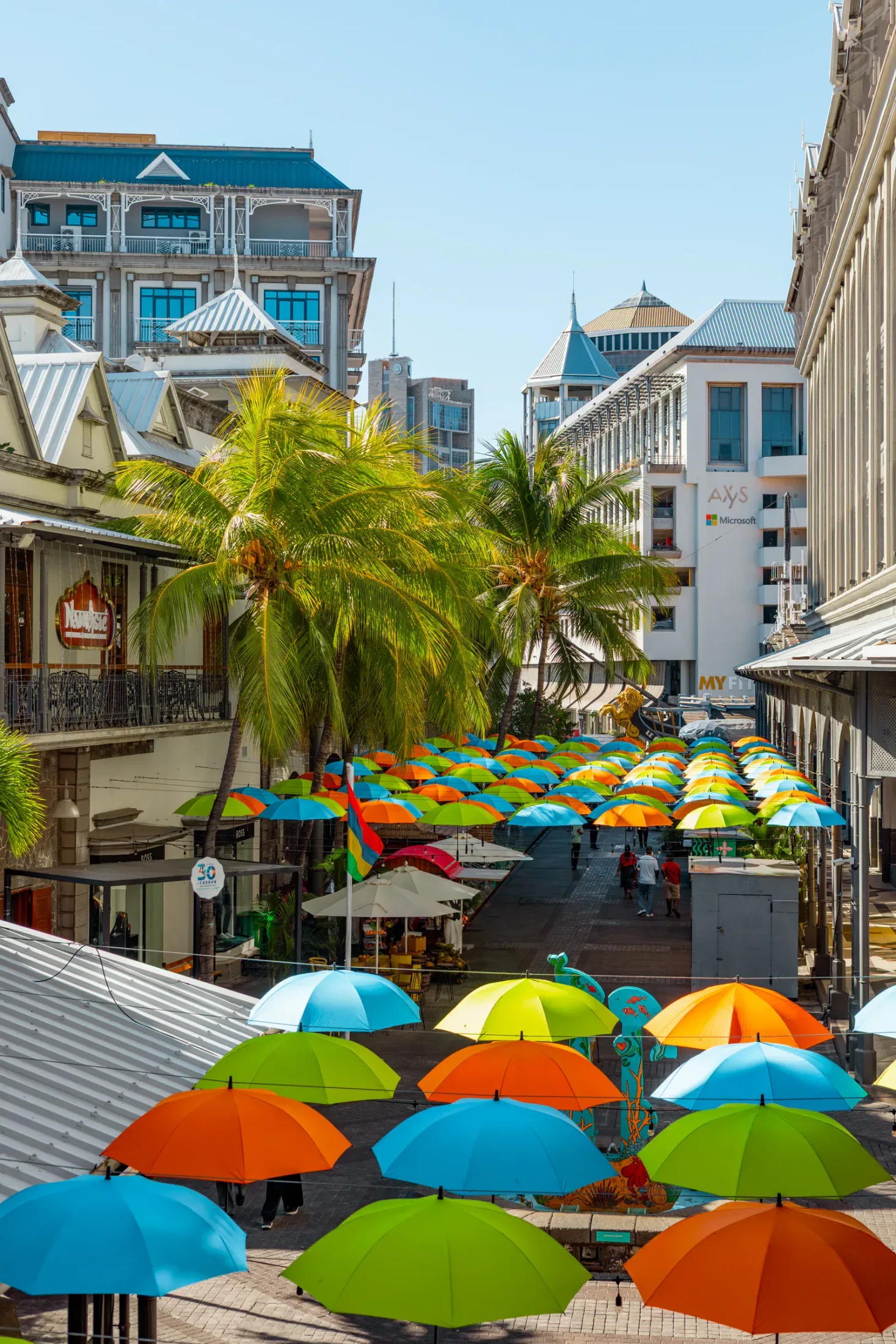
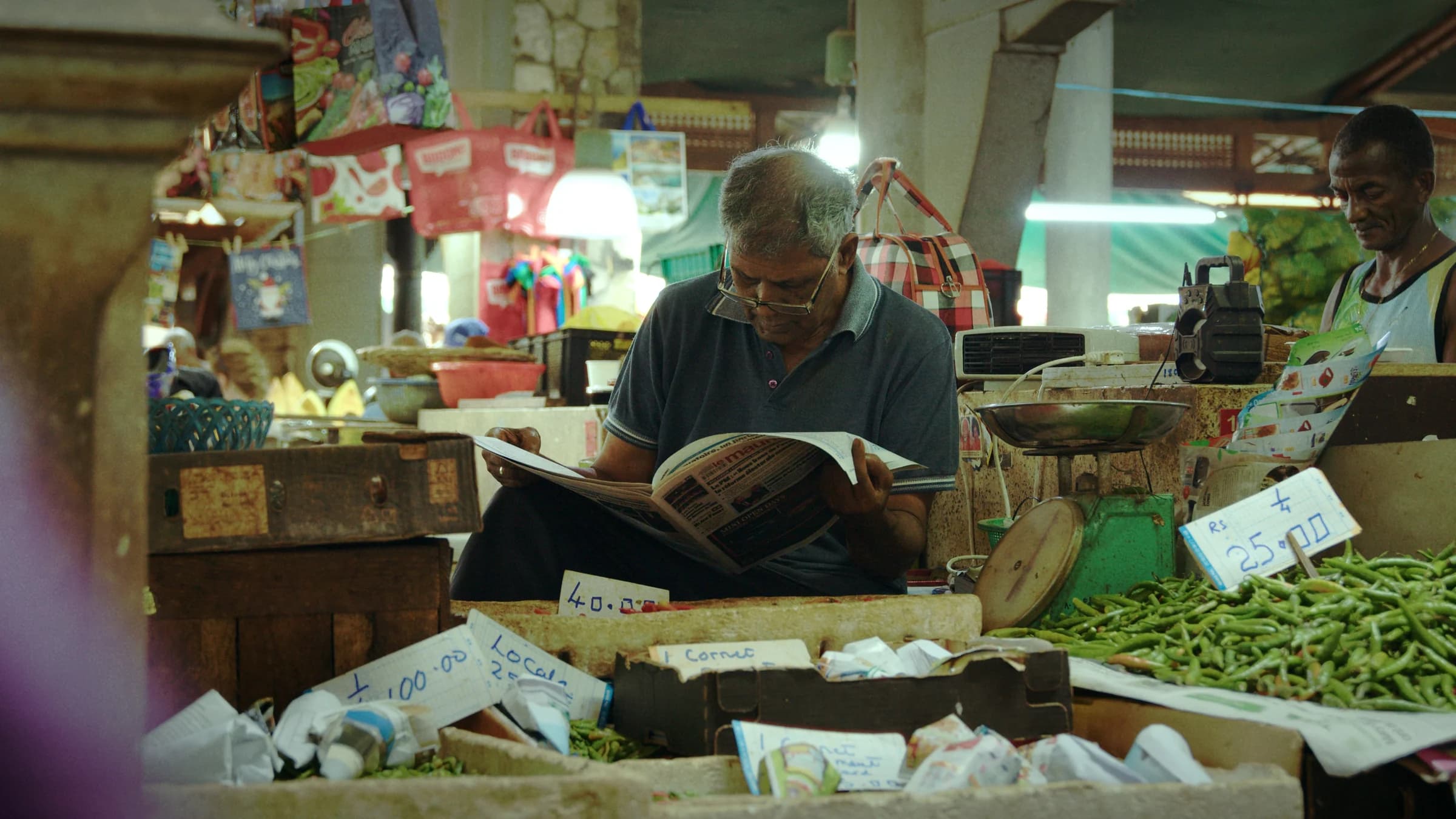
At the market, a newspaper is opened beside the scales. In Chinatown, someone pauses over a bowl. The harbour works while the waterfront welcomes visitors. These ordinary moments belong in the story as much as the dates on a monument.
Come to Port-Louis with a little context, then leave room for the people and places you meet. History can change the way you look. A conversation can change the way you remember.
An editorial history by Andeor, prepared from the references below and checked on 23 September 2026. Photographs show different moments in the life of the city.